Advanced Kitchen Design Principles That Elevate Performance, Comfort, and Long Term Value
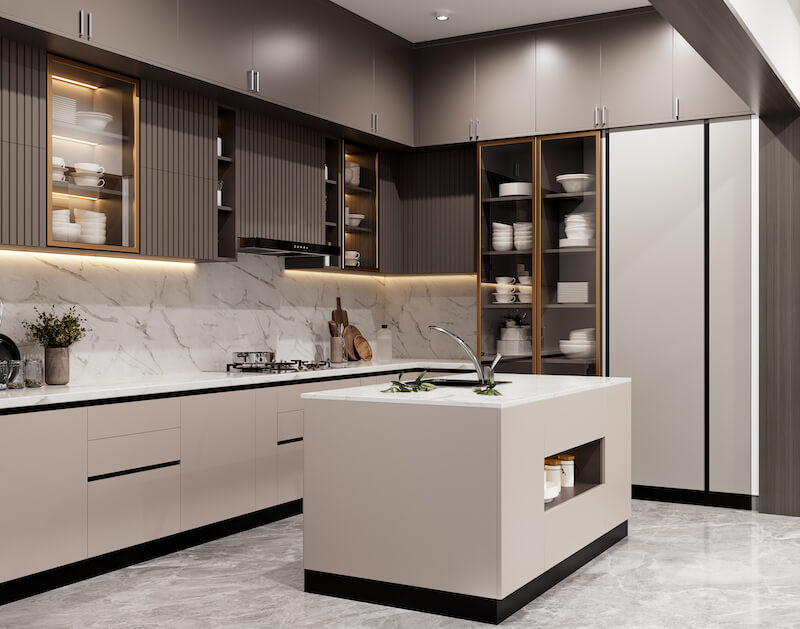
A well designed Kitchen shapes the rhythm of the entire home. It influences how people cook, gather, entertain, and interact on a daily basis. When planning a kitchen renovation or designing one from scratch, it is important to view the space as a high performance environment rather than just a cooking area. A strategic approach combines functionality, ergonomics, material durability, appliance efficiency, lighting performance, and layout optimization. This creates a kitchen that looks impressive, feels comfortable, and supports everyday living for years.
Many homeowners focus on surface level upgrades like new cabinets or countertops, but long lasting kitchen design requires deeper thinking. The most impactful kitchen improvements consider how the space works under real conditions, how it evolves with lifestyle changes, and how each design choice contributes to food preparation, safety, and workflow. The information below dives into advanced concepts that transform a kitchen into a practical and visually cohesive space.
Understanding How a Kitchen Influences Daily Routines
A kitchen is not just a workspace. It is a social hub, a storage center, a meal preparation zone, and a place for connection. A detailed understanding of how the family uses the kitchen is the first step toward a high functioning design.
Studying kitchen workflow and movement patterns
Efficient workflow reduces unnecessary steps, prevents overcrowding, and supports smooth movement.
Important considerations include:
- Identifying the main cooking triangle between the sink, stove, and refrigerator
- Analyzing where bottlenecks occur during busy meal times
- Ensuring pathways stay clear even when appliances are in use
- Adjusting cabinet placement to reduce travel during cooking
A kitchen should feel intuitive, making tasks faster and more enjoyable.
Evaluating how storage supports routines
Disorganized storage slows down meal preparation and leads to clutter.
Factors to examine include:
- Convenience of storing heavy cookware close to the cooking zone
- Adjustability of cabinet shelving for different sized items
- Placement of spices, oils, and frequently used ingredients near the stove
- Accessibility of food storage areas that suit weekly shopping habits
Purposeful storage facilitates a calmer, more organized cooking process.
Understanding household cooking habits
Every household uses the kitchen differently. Design choices should reflect real usage rather than general assumptions.
Examples include:
- Families who meal prep weekly may need large counters and deeper refrigeration space
- Homes that host often benefit from double ovens or expanded seating areas
- Serious cooks require ergonomic knife storage, advanced ventilation, and durable materials
- Small households may prioritize minimalist layouts with concealed appliances
Tailoring the kitchen to actual habits enhances long term satisfaction.
Designing the Ideal Kitchen Layout
Layout influences how every component works together. A strong kitchen layout prioritizes flow, functionality, and safety.
The classic work triangle and its modern variations
While the traditional sink stove refrigerator triangle still works, modern kitchens often blend multiple cooking zones.
Advanced layout concepts include:
- Prep zones near the sink with designated cutting areas
- Cooking zones with optimized pot and pan storage
- Beverage zones separate from main workflow areas
- Baking zones with lower counters for kneading and mixing
Multiple zones support simultaneous activities and reduce congestion.
Selecting the right kitchen configuration
Different layouts offer unique strengths depending on the space.
Common options include:
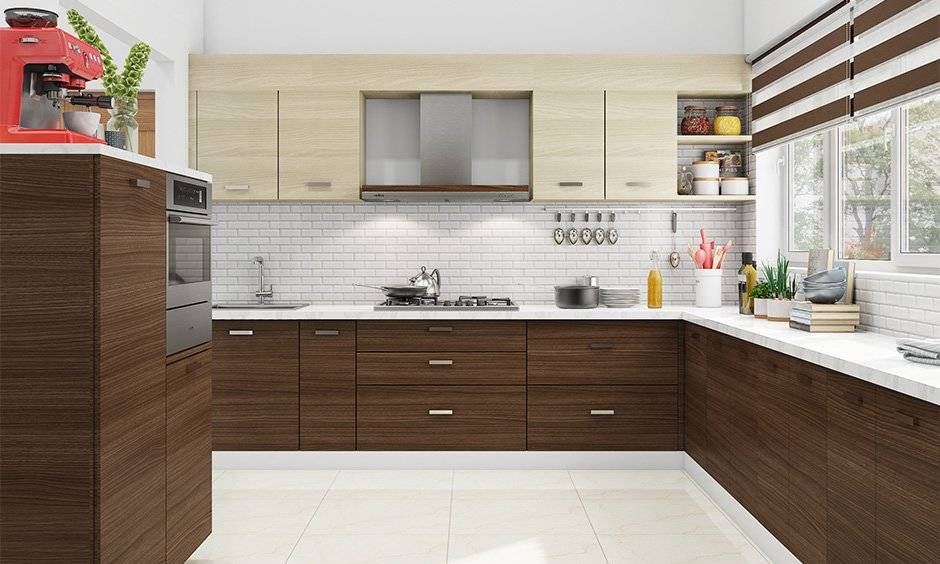
- U shaped kitchens for maximum storage and continuous counter space
- L shaped kitchens for open movement and social interaction
- Galley kitchens for efficient workflow and compact spaces
- Island based kitchens for additional seating, prep areas, or appliance integration
Choosing the configuration that matches your floorplan ensures efficiency and comfort.
The role of islands and peninsulas
Kitchen islands are more than decorative additions.
They can serve as:
- Extra workspace
- Informal dining and homework stations
- Appliance hubs for microwaves or dishwashers
- Storage zones for oversized cookware
- Dividers between cooking areas and living spaces
A carefully proportioned island transforms the room without disrupting flow.
Advanced Storage Solutions That Improve Organization
Innovative storage turns a cluttered kitchen into a highly functional workspace.
Customized cabinetry for maximum efficiency
Cabinets must do more than hold items. They should support workflow.
Advanced features include:
- Deep drawers for pots and pans
- Pull out trays for spices and oils
- Vertical tray dividers for baking sheets
- Corner pull outs that eliminate dead space
- Soft close hinges for durability and quiet operation
Customization increases accessibility and reduces visual clutter.
Walk in pantries and hidden storage zones
Large households benefit significantly from expanded storage.
High performance pantry features include:
- Adjustable shelving for bulk groceries
- Climate controlled storage for sensitive ingredients
- Zones for small appliances to reduce counter mess
- Open and closed shelving for flexible organization
A pantry that supports real needs keeps the main kitchen area clear.
Under cabinet and overhead space utilization
Often overlooked spaces can become beneficial storage areas.
Helpful upgrades include:
- Under cabinet pull out racks
- Ceiling mounted shelves for less used items
- Magnetic knife strips to free drawer space
- Integrated charging drawers for devices
These solutions support efficiency without sacrificing style.
Choosing Durable and Long Lasting Materials
Materials dictate how the kitchen performs under heat, moisture, traffic, and daily use.
Countertop materials built for heavy workloads
Countertops must handle cutting, heat, spills, and constant cleaning.
Durable options include:
- Quartz for stain and scratch resistance
- Granite for heat endurance
- Butcher block for warm aesthetics and forgiving surfaces
- Stainless steel for professional grade functionality
- Porcelain slabs for high durability with low maintenance
Choosing materials based on usage ensures lasting beauty.
Flooring materials that withstand moisture and foot traffic
Kitchens endure spills, dropped items, and daily movement.
Reliable flooring options include:
- Porcelain tile for maximum durability
- Engineered hardwood for warmth and stability
- Luxury vinyl plank for moisture resistance and comfort
- Stone flooring for timeless appeal
Selecting flooring with slip resistance and simple maintenance is key.
Cabinet finishes that maintain quality over time
Cabinets must remain functional despite daily wear.
Ideal finishes include:
- High quality paints with strong adhesion
- Durable laminates for moisture rich environments
- Wood veneers that blend beauty with longevity
- Sealed finishes that protect against stains and scratches
Choosing resilient finishes extends cabinet life.
Integrating High Performance Appliances
Appliances influence workflow, energy efficiency, and the overall experience of the kitchen.
Choosing appliances based on functionality, not trend
Effective kitchen appliances meet real cooking needs.
Examples include:
- Induction cooktops for speed and safety
- Convection ovens for even heating
- High capacity refrigerators for large families
- Quiet dishwashers with multiple wash configurations
Thoughtful appliance selection enhances daily tasks.
Advanced ventilation strategies
Proper ventilation improves indoor air quality and protects cabinets and walls.
Key features include:
- High CFM hoods for heavy cooking
- Ducted systems for better efficiency
- Noise controlled motors
- Grease trapping filters
Efficient ventilation prevents lingering odors and moisture.
Smart appliance integration
Smart technologies increase precision and convenience.
Smart features include:
- Remote temperature control
- Automated cooking presets
- Sensors for energy optimization
- Safety alerts for forgotten appliances
Smart appliances enhance performance without compromising style.
Advanced Lighting Design for a High Functioning Kitchen
Lighting shapes visibility, warmth, and ambiance.
Layered kitchen lighting for optimal comfort
Strong lighting design blends multiple sources.
Lighting layers include:
- Ambient overhead lighting
- Task lighting under cabinets
- Accent lighting for architectural features
- Decorative fixtures that add personality
Layered lighting adapts to cooking, cleaning, and entertaining.
Color temperature selection
Lighting color impacts mood and clarity.
Guidelines include:
- Bright neutral white for work zones
- Warm white for dining and gathering areas
- Adjustable systems for flexible atmospheres
The correct lighting temperature enhances comfort and accuracy.
Maximizing natural light
Natural light creates openness and warmth.
Strategies include:
- Enlarged windows or skylights
- Reflective surfaces to spread light
- Light window treatments to preserve privacy without blocking daylight
Thoughtful daylight integration reduces utility costs.
Designing Kitchens That Age Gracefully
Timeless design prevents frequent renovations and maintains property value.
Choosing classic design elements
Long lasting kitchen designs avoid overly trendy features.
Timeless choices include:
- Neutral color palettes
- Simple cabinet profiles
- Balanced hardware finishes
- Subway or slab backsplash tiles
These elements adapt to changing décor over time.
Prioritizing replaceable accents
Accents allow for style changes without full renovation.
Examples include:
- Light fixtures
- Bar stools
- Decorative shelving
- Backsplash accents
Swapable features offer flexibility.
Focusing on maintenance friendly choices
Easy maintenance extends functionality and cleanliness.
Look for:
- Non porous materials
- Fingerprint resistant surfaces
- Durable coatings
- Easy to clean hardware
These choices reduce long term upkeep.
FAQs
How can I improve kitchen workflow without a complete remodel?
Simple changes like reorganizing storage, adding task lighting, installing pull out shelves, and adjusting appliance placement can significantly improve functionality without major construction.
What kitchen feature increases home value the most?
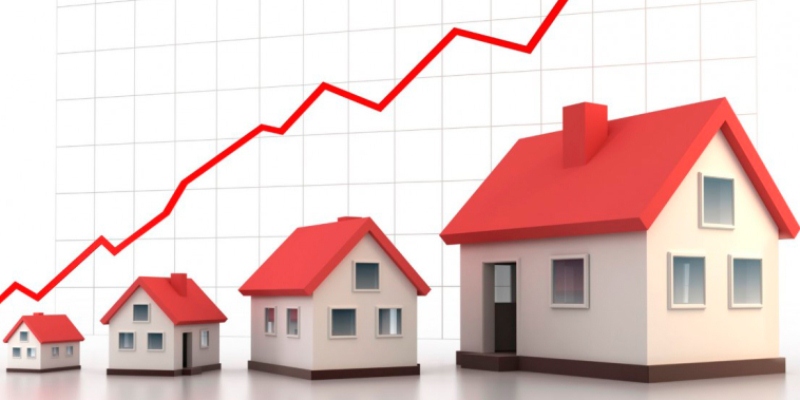
Durable countertops, high performance appliances, and ample storage tend to increase value more than purely aesthetic upgrades.
How can I create more space in a small kitchen?
Use vertical storage, slim profile appliances, light colors, reflective backsplashes, and compact islands or carts to maximize space.
What is the best lighting option for precision cooking tasks?
Under cabinet LED task lighting provides direct illumination without shadows, making it ideal for chopping and detailed prep work.
What flooring works best for homes with kids or pets?
Luxury vinyl plank or porcelain tile are excellent choices due to their moisture resistance, durability, and simple maintenance requirements.
If you’d like, I can create an in depth version tailored to luxury kitchens, small kitchens, minimalist designs, or high performance chef style layouts.