Transforming Interior Spaces With Advanced Design Principles That Improve Comfort, Function, and Longevity
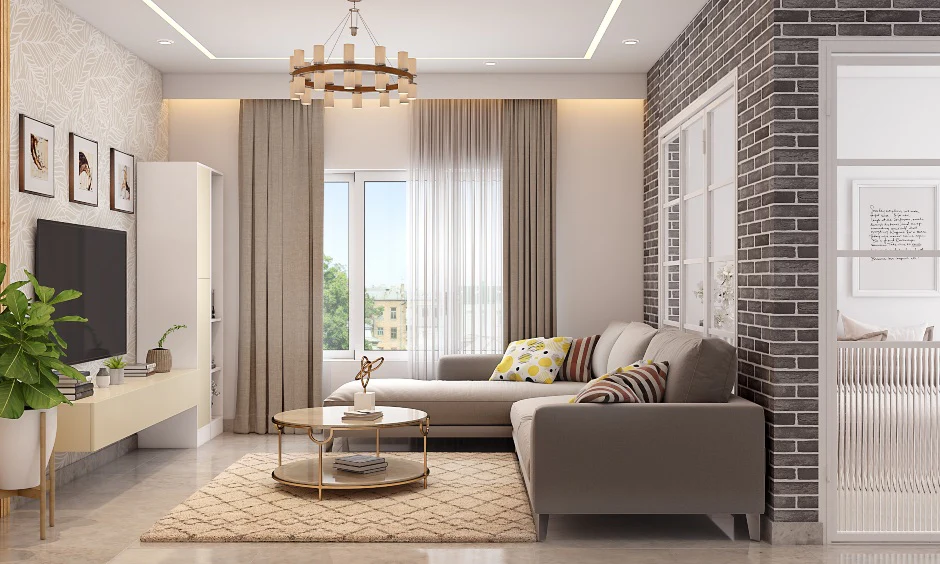
Designing an exceptional Interior involves more than selecting attractive furniture or choosing trending colors. A truly effective interior space considers how people move, work, rest, and interact within the environment. High performing interiors balance aesthetics with technical planning, material durability, acoustics, lighting performance, and psychological comfort. When these elements are intentionally combined, the result is a home that feels intuitive, purposeful, and visually cohesive.
Many homeowners focus on surface level décor, but long lasting interior design begins with understanding how the space behaves. Improving the interior from a structural, functional, and sensory perspective creates rooms that remain beautiful and versatile for decades. The article below explores advanced principles that elevate interior quality beyond basic decorating and into thoughtful, strategic design.
Understanding How Interior Spaces Influence Daily Living
Interior design has measurable effects on mood, productivity, efficiency, and comfort. By evaluating how the environment supports daily routines, homeowners can create spaces that work naturally for their lifestyle.
Analyzing existing layout and traffic flow
A strong interior layout minimizes obstacles and enhances comfort. Traffic patterns determine how people move through rooms and how efficiently the home functions.
Key considerations include:
- Identifying bottlenecks in hallways or narrow pathways
- Ensuring furniture placement does not interrupt movement
- Positioning door swings strategically to prevent collisions
- Aligning circulation with natural entry points and gathering areas
When the flow feels intuitive, the space becomes easier to navigate and more enjoyable to use.
Evaluating natural light distribution
Natural light affects mood, energy, and room perception. Rooms with balanced daylight often feel larger and more welcoming.
Factors to evaluate include:
- Orientation of windows and the direction of sunlight
- Potential glare during peak daylight hours
- Shading needs for privacy and light control
- How reflective surfaces distribute daylight through the room
Balancing these elements helps create a bright interior without sacrificing comfort or privacy.
Understanding psychological impacts of interior colors
Color psychology plays a key role in how rooms feel. Subtle shifts in color temperature can influence focus, relaxation, or energy.
Examples include:
- Warm neutrals for gathering spaces that encourage connection
- Cool tones in bedrooms to promote rest and calm
- Earth based colors that create grounded, stable environments
- Accent colors that energize specific areas such as workspaces
Choosing colors with intention improves emotional comfort within each room.
Designing Interiors With Purpose and Functionality
A visually appealing interior is not enough. High quality interiors integrate function into every decision, turning each room into a purposeful space.
Creating multi functional rooms for evolving needs
Modern homes must adapt to changing lifestyles. Multi purpose rooms offer flexibility without clutter or confusion.
Practical multi use designs include:
- Home offices that convert into guest rooms using hidden or foldable beds
- Dining rooms that double as homework areas with built in shelving
- Basements divided into entertainment zones, fitness spaces, and storage
- Living rooms with concealed technology to shift between relaxation and work
Spaces that adapt naturally remain useful and valuable long term.
Maximizing storage with integrated solutions
Efficient organization reduces stress and keeps rooms visually clean. Built in storage can become a design feature while adding essential function.
High performing storage ideas include:
- Floor to ceiling shelving that uses vertical space
- Built in window seats with hidden compartments
- Mudroom benches designed for shoes, bags, and daily essentials
- Walk in closets with customized hanging zones and drawers
Quality storage ensures items remain accessible without overwhelming the room.
Selecting furniture based on ergonomics and scale
Furniture must support the body while fitting perfectly within the room’s proportions. Oversized or undersized pieces disrupt balance and comfort.
Key evaluation points include:
- Seat depth and cushion firmness for daily use
- Desk height aligned with ergonomic posture
- Scaled furniture that complements room dimensions
- Modular seating for adaptable hosting and lounging
Ergonomic furniture improves comfort for long term living.
Advanced Lighting Techniques for Interior Enhancement
Lighting controls mood, highlights architecture, and influences productivity. A layered lighting strategy ensures each room feels comfortable at any time of day.
Building a layered lighting plan
Layered lighting incorporates different light types to achieve depth and flexibility.
A strong lighting plan features:
- Ambient lighting as the foundation
- Task lighting for focused activities
- Accent lighting to highlight art or architectural features
- Decorative fixtures that serve as focal points
Combining these layers prevents harsh shadows and creates visual interest.
Integrating smart lighting for precision and efficiency
Smart lighting systems allow homeowners to adjust brightness, color temperature, and energy usage easily.
Smart lighting enhances:
- Wake and sleep routines with gradual dimming
- Productivity with cooler tones during work hours
- Relaxation with warm light in the evenings
- Safety with automated path lighting at night
Adjustability ensures the interior remains comfortable around the clock.
Enhancing lighting with reflective surfaces
Well placed reflective surfaces help distribute light evenly and enhance room brightness.
Effective tools include:
- Mirrors opposite windows
- High gloss cabinetry in low light areas
- Subtle metallic accents that create light bounce
- Light colored ceilings to improve diffusion
Daylight optimization reduces reliance on artificial lighting.
Choosing Durable and High Performance Materials
Materials determine longevity, maintenance requirements, and overall interior quality. Prioritizing durability protects your investment while preserving beauty.
Flooring materials that balance function and aesthetics
Different rooms require different flooring strengths based on activity levels and moisture.
Top choices include:
- Engineered hardwood for temperature stability
- Porcelain tile in kitchens and bathrooms for moisture resistance
- Luxury vinyl plank for durability in high traffic areas
- Wool carpeting for comfortable, noise reducing bedrooms
Using the right flooring supports both longevity and comfort.
Wall materials that improve durability and acoustics
Walls handle daily wear, so selecting high performance finishes matters.
Advanced options include:
- High scrub resistant paint for busy rooms
- Acoustic panels for media rooms or home offices
- Moisture resistant boards in bathrooms and basements
- Decorative wall treatments that add depth without requiring frequent maintenance
These materials maintain visual quality even with daily use.
High quality textiles for comfort and longevity
Textiles influence temperature, sound, and visual softness.
Effective fabric choices include:
- Linen and cotton blends for breathability
- Performance upholstery designed to resist stains
- Wool throws and rugs for thermal comfort
- Layered window treatments for privacy and light control
Textile layering adds character while improving function.
Enhancing Interior Acoustics for a More Comfortable Environment
Acoustics significantly influence comfort, especially in homes with open layouts or multiple family members working from home.
Improving sound control with layered materials
Soft, porous materials help absorb noise while maintaining a stylish appearance.
Useful elements include:
- Rugs and carpets in open living areas
- Upholstered furniture to soften reflected sound
- Curtains or drapes for echo reduction
- Acoustic art panels that blend function with creativity
Balancing sound absorption and reflection improves acoustic clarity.
Designing quiet zones for work and relaxation
Some areas need targeted acoustic planning.
Ideal quiet zone features include:
- Bookshelves that double as sound blockers
- Sealed interior doors to limit noise flow
- Desk placement away from household activity paths
- Sound dampening underlayment beneath flooring
These upgrades create peaceful, productive spaces.
Integrating Smart Technology Into Interior Design
Smart technology enhances convenience, efficiency, and safety when integrated early in the design process.
Smart climate control for overall comfort
Innovative climate systems help regulate temperature effectively.
Useful features include:
- Zoned heating and cooling for room specific comfort
- Humidity control for healthier interiors
- App controlled adjustments for energy efficiency
A balanced interior climate improves daily living.
Home automation for seamless operation
Automation technologies elevate comfort and security.
Helpful integrations include:
- Automated blinds that adjust based on sunlight
- Smart sensors for lighting and temperature
- Security systems that blend discreetly with décor
The goal is to enhance convenience without visual intrusion.
Smart entertainment systems designed for aesthetics
Modern interior design integrates entertainment tools without clutter.
Examples include:
- Hidden wiring within walls
- Media cabinets with ventilation and cord channels
- Ceiling mounted speakers that save floor space
Thoughtful placement keeps technology functional yet discreet.
Designing Interiors That Age Gracefully
Timeless design offers long term value, preventing the need for frequent overhauls.
Choosing classic color palettes
Classic colors remain appealing across decades.
Popular timeless tones include:
- Soft whites and creams
- Muted grays
- Earth inspired greens and tans
- Blues that add calm sophistication
These shades pair well with changing décor trends.
Selecting furniture with timeless silhouettes
Furniture that avoids ultra trendy shapes maintains relevance.
Long lasting pieces feature:
- Clean lines
- Balanced proportions
- Quality craftsmanship
- Materials that age well
Such furniture anchors the room, allowing accents to evolve over time.
Prioritizing changeable accents
Accents allow homeowners to refresh spaces without full redesign.
Flexible design elements include:
- Pillows and throws
- Artwork and wall décor
- Area rugs
- Seasonal greenery
This approach offers affordable versatility.
FAQs
How can homeowners improve an interior without performing a major renovation?
Simple improvements like layered lighting, rearranging furniture to improve flow, adding acoustic enhancements, and upgrading textiles can transform the feel of a room without construction.
What interior trend has the longest lasting impact on comfort?
The shift toward multi functional rooms is one of the most durable trends. Flexible spaces adapt to remote work, entertainment, fitness, and future lifestyle changes.
How can I make a small interior feel larger?
Using reflective surfaces, vertical storage, light color palettes, and appropriately scaled furniture creates visual openness. Removing unnecessary furniture also enhances perceived space.
What interior upgrades help improve indoor air quality?
Air purifying plants, high efficiency HVAC filters, low VOC paints, and proper ventilation systems all contribute to cleaner indoor air.
How important is acoustics in interior design?
Acoustics play a major role in comfort, especially in open concept homes. Poor acoustics can create stress, while proper sound management supports relaxation and productivity.
How do I choose lighting for low natural light rooms?
Use layered lighting with warm to neutral tones, add reflective elements, and select fixtures that distribute light broadly rather than focusing it in tight beams.
If you’d like, I can create an advanced version of this article tailored to luxury interiors, small interiors, minimalist design, or modern farmhouse styling.