
Advanced Strategies for Home Renovation That Elevate Function, Comfort, and Long Term Value
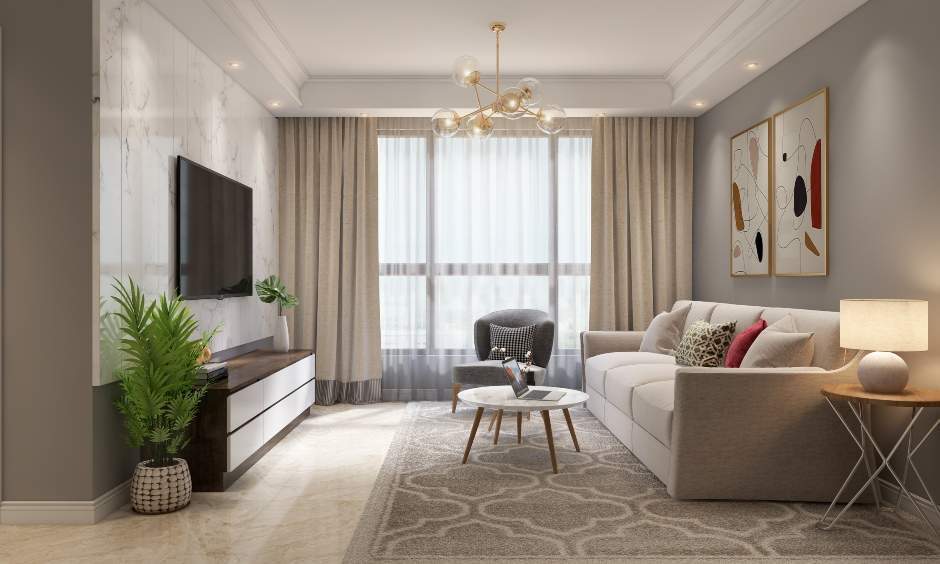
Home renovation is more than updating paint colors or swapping old fixtures. When done thoughtfully, it strengthens a property’s durability, improves daily comfort, boosts efficiency, and increases long term value. Many homeowners begin planning renovations with a specific look in mind, but the most successful transformations take a deeper approach by examining how each space functions, how systems age, and how structural decisions influence the home’s performance over decades. Integrating the keyword Home Renovation early in the planning process allows homeowners to develop a strategic foundation that guides every upgrade with purpose.
A renovation becomes truly effective when every improvement solves a problem, anticipates future needs, and enhances the way people live in the home. The sections below focus on advanced, evidence based strategies that help homeowners complete high quality renovations with lasting impact.
Evaluating the Home’s Existing Condition
Proper evaluation of the home’s current state ensures that upgrades address underlying issues instead of masking them. Every renovation, no matter how aesthetic, should begin with a solid understanding of the structure and systems.
Inspecting essential structural components
A strong structure is the foundation of all successful renovations. Without examining key areas first, cosmetic improvements may fail prematurely.
Important components to inspect:
- Foundation cracks that indicate shifting or moisture problems
- Load bearing walls that influence layout changes
- Roof decking for soft spots, sagging, or inadequate ventilation
- Subfloor conditions that impact new flooring stability
- Exterior drainage patterns that affect foundation health
Identifying structural concerns early ensures renovations continue smoothly without unexpected setbacks.
Assessing mechanical systems for hidden deficiencies
Mechanical systems age quietly. Renovations offer a valuable opportunity to evaluate performance before problems escalate.
Focus on:
- HVAC systems that may struggle with new layouts
- Outdated electrical panels unable to support modern loads
- Aging plumbing prone to corrosion or inconsistent pressure
- Ventilation systems with insufficient capacity for upgraded spaces
Upgrading mechanical systems creates a safer home and reduces long term operating costs.
Designing Renovations That Match Lifestyle Needs
Renovations should reflect how the household lives day to day. Modern families need flexible, practical spaces that adapt to routines, hobbies, and long term goals.
Creating multi functional living areas
Flexibility increases the usefulness of each square foot, especially in homes where space is limited.
Effective multi function concepts include:
- Home offices that convert into guest rooms
- Open concept kitchens that blend entertaining, dining, and prep zones
- Finished basements divided into gym space, media areas, and storage
- Bedrooms with integrated study zones for growing children
Designing with adaptability in mind extends the functional life of each room.
Improving room layouts for natural flow
A well designed layout reduces bottlenecks, enhances comfort, and improves safety.
Consider:
- Expanding walkways in high traffic areas
- Removing unnecessary half walls that disrupt motion
- Shifting doorways to reduce cramped circulation patterns
- Using pocket doors or barn doors where swing clearance is limited
Flow corrections often produce one of the most noticeable improvements in daily living.
Upgrading lighting for better productivity and comfort
Lighting influences mood, energy, and the sense of space.
Strategies include:
- Layered lighting with ambient, task, and accent sources
- Daylight enhancing bulbs in windowless rooms
- Under cabinet lighting to improve kitchen visibility
- Smart controls that adjust intensity according to time of day
Better lighting supports healthier routines and a more welcoming environment.
Incorporating Energy Efficient Renovation Practices
Energy efficient upgrades play a crucial role in comfort and environmental impact. They also reduce utility costs and increase property value.
Strengthening insulation and air sealing
Insulation improvements often create the greatest return on investment.
Key upgrades include:
- Reinforcing attic insulation with high performance materials
- Air sealing around penetrations, outlets, and joints
- Insulating basement walls to reduce heat transfer
- Improving weatherstripping around exterior doors
Stronger insulation reduces temperature fluctuations and enhances HVAC performance.
Replacing outdated windows and doors
Modern windows and doors deliver superior protection against heat loss, noise, and UV exposure.
Look for:
- Multi pane insulated glass
- Low emissivity coatings
- Composite or fiberglass frames that resist warping
- High security locking systems
Quality windows support both comfort and safety.
Installing energy efficient mechanical equipment
Mechanical upgrades improve indoor quality while lowering energy requirements.
Examples include:
- Variable speed HVAC systems
- Smart thermostats that learn household behavior
- High efficiency water heaters
- Whole home dehumidification systems
Smart mechanical systems maintain consistent comfort without wasting energy.
Transforming Kitchens and Bathrooms with High Impact Renovations
Kitchens and bathrooms influence resale value and daily satisfaction more than any other spaces. Renovations in these areas require thoughtful planning, durable materials, and timeless designs.
Designing kitchens for function and workflow
A well designed kitchen supports cooking, gathering, and storage all at once.
Important elements include:
- Work triangle optimization to reduce movement
- Deep drawer storage for pots and small appliances
- Durable countertops with stain and heat resistance
- High capacity range hoods for effective ventilation
- Built in organizational features inside cabinets
Focusing on workflow results in a kitchen that looks elegant while performing reliably.
Creating bathrooms that combine safety, beauty, and practicality
Bathrooms require moisture resistant materials and safe design principles.
Key upgrades:
- Slip resistant flooring for secure footing
- Curbless showers that improve accessibility
- High performance ventilation fans that reduce humidity
- Stone or quartz surfaces for durability
- Shower niches and built in shelving for organization
A well designed bathroom stays comfortable and functional for years.
Choosing Materials That Deliver Long Term Performance
Material selections influence durability, maintenance requirements, and overall project value. High quality materials may cost more upfront but prevent future repairs.
Flooring choices that balance style and endurance
Different spaces require different flooring strengths.
Recommended options:
- Engineered hardwood for stability in temperature changing environments
- Porcelain tile for high moisture areas
- Luxury vinyl with rigid cores for scratch resistance
- Sealed concrete for basements or modern design spaces
Investing in durable flooring reduces replacement frequency.
Wall finishes that resist wear and discoloration
Walls must withstand cleaning, sunlight, and everyday activity.
Effective options include:
- Stain resistant paint with high scrub durability
- Cement board in moisture heavy areas
- Tile backsplashes for kitchens and bathrooms
- High quality primer to improve longevity of paint
Better wall materials protect your renovation investment.
Exterior materials that withstand weather and aging
Exterior updates protect the home while improving curb appeal.
Consider:
- Impact resistant roofing materials
- Fiber cement or composite siding
- Weather treated decks and porches
- Insulated garage doors for energy efficiency
Durable exteriors safeguard the structure from environmental stress.
Integrating Smart Home Enhancements Into Renovations
Smart technology improves safety, comfort, and convenience across the entire property. Adding these elements during renovation prevents the need for future rewiring or retrofits.
Smart climate control systems
Smart thermostats and integrated zoning systems help maintain steady comfort while lowering costs.
Home automation for lighting and ambiance
Programmable lighting scenes transform spaces instantly and support energy management.
Smart security systems that blend style and privacy
Modern security tools fit discreetly into the home and offer customizable access control.
Water management and leak detection tools
Smart leak sensors reduce the risk of costly water damage by alerting homeowners instantly.
Outdoor Renovations That Expand Usable Living Space
Outdoor areas provide additional comfort and entertainment value without requiring large structural additions.
Building versatile outdoor living zones
Thoughtfully designed outdoor spaces extend everyday living.
Possibilities include:
- Covered patios with integrated seating
- Outdoor kitchens with weather resistant surfaces
- Fire features for cooler evenings
Outdoor living spaces increase property enjoyment throughout the year.
Landscaping improvements that enhance drainage and beauty
Landscaping shapes comfort and structural safety.
Focus on:
- Grading that diverts water safely
- Native plants that require minimal upkeep
- Defined pathways that support easy movement
Landscape planning protects the foundation and improves curb appeal.
Enhancing property safety with exterior lighting
Lighting around walkways, decks, and entry points improves navigation and visibility at night.
Avoiding Common Mistakes During Home Renovation
Mistakes can compromise both safety and return on investment. Avoiding these pitfalls keeps projects on track.
Starting renovations without a full plan
Every renovation should have:
- A detailed scope of work
- A clear budget with contingencies
- A sequence of tasks that prevents rework
Proper planning saves time and expense.
Overlooking the importance of ventilation
Ventilation prevents mold, odors, and poor air quality. It should never be an afterthought.
Choosing style over functionality
Although aesthetics matter, functionality must guide decisions to ensure long term satisfaction.
Using low quality materials in high traffic areas
High traffic zones require strong, reliable materials. Cutting corners here often leads to premature repairs.
FAQs
How can homeowners determine which renovations offer the highest long term value?
High value renovations typically include structural improvements, energy efficient upgrades, and modernized kitchens and bathrooms. These directly affect market appeal and durability.
What is the best time of year to begin a home renovation project?
Spring and early summer are common because weather conditions support exterior projects and allow better ventilation. However, planning often begins months in advance to ensure availability of materials and contractors.
How can homeowners maintain indoor air quality during major renovations?
Using temporary barriers, negative air machines, and frequent HEPA filtration can significantly reduce dust and contaminants. Prioritizing ventilation is essential during demolition and installation phases.
What type of home renovation offers the fastest improvement in daily comfort?
Upgrading insulation, ventilation, and lighting often creates immediate comfort changes. These improvements influence temperature control, air quality, and visibility.
How do homeowners prepare for unexpected issues during renovation?
Setting aside a contingency budget and scheduling buffer time helps absorb surprises such as hidden structural concerns or outdated wiring. Thorough inspections before starting also reduce unknown risks.
If you would like, I can produce an extended version of this article targeting a specific type of property, such as historic homes, modern homes, or energy efficient homes.


