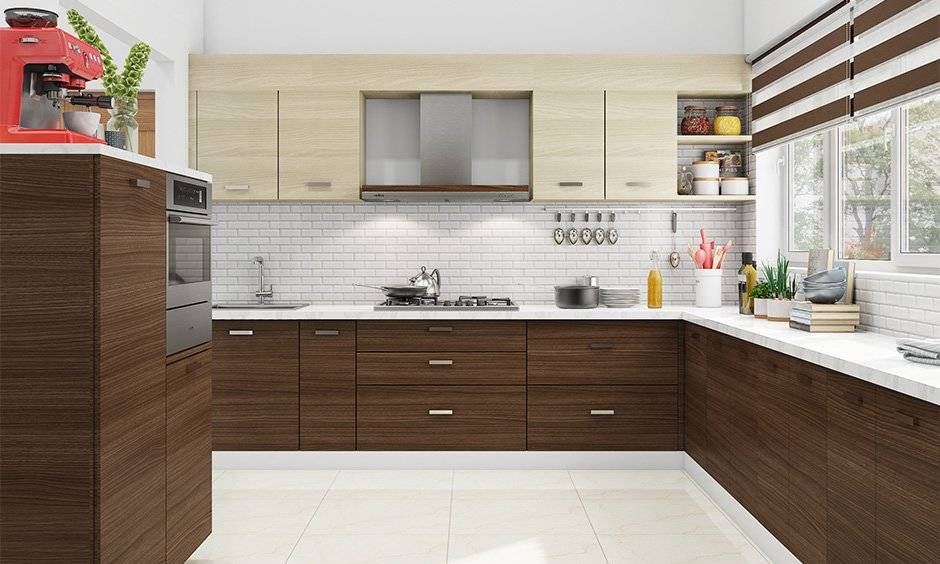
The Modern Kitchen: Design, Function, and Innovation for Today’s Homes
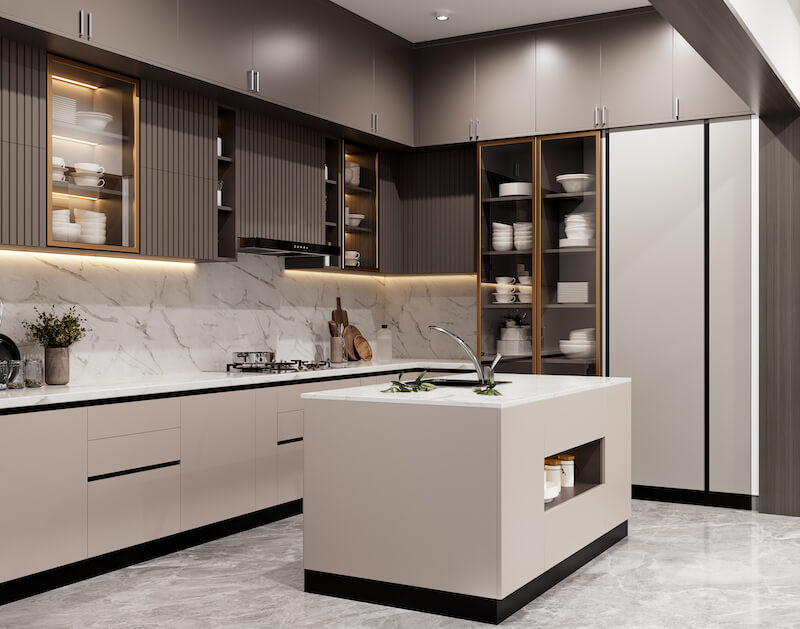
The kitchen has evolved from a single-purpose room into the central hub of many households. Today’s kitchen blends efficiency, comfort, and style in ways that influence daily routines, social interactions, and long term home value. Whether someone is planning a full renovation or simply trying to understand what makes a high performing kitchen, it helps to look closely at the deeper elements shaping this essential space. The modern kitchen is no longer just about cooking. It represents lifestyle, technology, ergonomics, and design psychology all working together.
Understanding the Core Purpose of a Kitchen
While the role of the kitchen may seem obvious, modern planning requires looking beyond the basics. Cooking remains the foundation, but contemporary homeowners expect far more. The kitchen often supports multiple activities at once, from meal prep and cleaning to entertaining, working, and family bonding. Recognizing this multifunctional nature helps guide proper layout and material decisions.
The Kitchen as a Functional Ecosystem
A well designed kitchen operates like a coordinated system. Every component influences the next. Efficiency increases when storage, appliances, work surfaces, and traffic flow support each other rather than compete for space.
Some elements that define functional performance include:
- Work triangle or work zones that reduce unnecessary steps
- Storage solutions that keep frequently used tools within easy reach
- Countertop surfaces that support various prep tasks
- Lighting that improves both visibility and atmosphere
- Ventilation that maintains indoor air quality and comfort
When all these parts work together, the kitchen feels natural to use even during the busiest moments.
Planning an Effective Kitchen Layout
The layout forms the backbone of kitchen performance. While aesthetic preferences vary, the underlying principles remain steady: clear movement paths, minimized clutter, and intuitive placement of essential components.
Work Zones Over Work Triangle
The traditional work triangle places the refrigerator, sink, and stove in a triangular formation. Although still useful, modern cooking habits and larger kitchen footprints often call for a more flexible approach. Work zones divide the kitchen into dedicated areas such as:
- Prep zone
- Cooking zone
- Cleaning zone
- Storage zone
- Beverage or coffee zone
This strategy provides greater efficiency in households where multiple people cook at the same time. Work zones also make it easier to keep the space organized by giving each task a defined area.
Open Concept Versus Defined Spaces
Open concept kitchens remain popular because they encourage social interaction and natural light. However, defined kitchens with partial walls or glass partitions are becoming attractive for homeowners who want to minimize noise, contain cooking odors, or create more privacy.
Choosing the right structural layout depends on:
- Household size
- Cooking frequency
- Entertaining habits
- Interaction with adjacent spaces such as dining or living areas
Choosing Materials That Enhance Durability and Longevity
Materials in the kitchen must balance beauty and resilience. This environment experiences constant exposure to heat, moisture, sharp objects, and high traffic. Thoughtful material selection prevents costly repairs and improves daily usability.
Countertops
Countertops serve as the primary workspace, so durability is key. Popular choices include:
- Quartz known for uniform appearance and resistance to stains
- Granite valued for natural variation and heat tolerance
- Butcher block ideal for prep work when properly maintained
- Stainless steel preferred for industrial style kitchens offering easy sanitation
Each material has strengths and weaknesses. For example, quartz resists staining while butcher block requires regular oiling. Selecting the right surface should reflect cooking habits and willingness to maintain the material.
Cabinets
Cabinetry defines much of the kitchen’s visual impact and storage potential. Options vary widely, from solid wood to engineered materials. Factors to assess include:
- Door construction (framed or frameless)
- Hardware quality
- Interior finish
- Soft close mechanisms
- Custom versus semi custom options
Long lasting cabinetry relies heavily on craftsmanship and material density. Even small details like adjustable hinges or drawer sliders affect daily usability.
Flooring
Kitchen flooring must withstand spills, foot traffic, and dropped utensils. Modern homeowners often select:
- Porcelain tile for moisture protection
- Engineered hardwood for warmth and style
- Luxury vinyl plank for comfort and durability
- Natural stone for unique character
Slip resistance and ease of cleaning should guide final decisions.
Integrating Technology for a Smarter Kitchen
Technology has reshaped kitchen design more rapidly in recent years than almost any other home improvement field. Smart features improve safety, efficiency, and energy consumption.
Smart Appliances
Refrigerators, ovens, dishwashers, and ventilation systems now offer advanced capabilities such as:
- Temperature monitoring
- Voice control
- Cooking program automation
- Remote diagnostics
- Efficient energy use
These features reduce the burden of daily tasks while supporting consistent cooking results.
Lighting and Connectivity
LED lighting systems allow customized brightness and color temperature. Layered lighting, including under cabinet, task lights, and ambient fixtures, creates a well balanced environment for both work and relaxation.
USB charging ports, integrated speakers, and wireless charging pads help transform the kitchen into a functional digital space.
The Importance of Storage in a Modern Kitchen
Insufficient storage is one of the most common frustrations homeowners experience. Thoughtful storage can completely transform functionality, particularly in smaller kitchens.
Vertical Space Utilization
Wall mounted shelving, tall pantries, and overhead cabinets make use of unused vertical areas. Adjustable shelves and pull out drawers offer greater flexibility for organizing items of different sizes.
Specialty Storage Features
Modern kitchens often include specialized solutions such as:
- Pull out spice racks
- Corner organizers
- Deep drawers for pots and pans
- Hidden appliance garages
- Roll out pantry systems
These features reduce clutter and make it easier to maintain a tidy workspace.
Lighting as a Design and Performance Element
Lighting influences both the look and usability of a kitchen. A balanced lighting plan uses a mix of task, ambient, and accent illumination.
Task Lighting
Task lighting focuses on the areas where detailed work happens. Under cabinet lighting is essential for food preparation and can reduce eye strain.
Ambient Lighting
Ambient lighting provides general illumination. Ceiling mounted fixtures, recessed lights, and modern LED track lights help create even brightness throughout the room.
Accent Lighting
Accent lights highlight architectural features, open shelving, or decorative elements. This type of lighting adds personality and depth to the room.
Creating a Kitchen That Supports Healthy Living
Kitchens affect well being beyond meal preparation. A thoughtful kitchen design can support healthier habits, better mood, and more enjoyable routines.
Encouraging Fresh Cooking
When storage is organized and work surfaces are functional, meal prep becomes easier. Homeowners are more likely to cook fresh meals when tools and ingredients are easy to access.
Improving Air Quality
Proper ventilation removes smoke, grease, and airborne particles. High quality ventilation hoods paired with adequate ducting help maintain indoor freshness.
Supporting Mental Comfort
A clean, organized kitchen reduces stress and creates an inviting environment. Natural light, warm materials, and clutter free countertops contribute to emotional comfort.
The Role of Color Psychology in Kitchen Design
Color choices influence mood, appetite, and energy levels. Soft neutrals can create calm, while brighter accents add vibrancy. Homeowners often select palettes based on the atmosphere they want to encourage.
Some popular approaches include:
- Warm tones to stimulate appetite
- Cool tones for a clean, refreshing look
- Two tone cabinetry for visual interest
- Natural wood for warmth and authenticity
Making the Kitchen an Entertaining Space
Many homes rely on the kitchen for casual gatherings. A well designed space supports both cooking and conversation.
Island Seating
Kitchen islands often include seating areas that allow guests to interact without interfering with meal prep. Larger islands may incorporate storage, sinks, or additional appliances.
Beverage Stations
A dedicated beverage area reduces congestion around the refrigerator and keeps guests comfortable. Features may include:
- Small sink
- Glass storage
- Mini fridge
- Coffee machine
Budgeting and Planning a Kitchen Renovation
Kitchen renovations are major investments. Careful planning helps maximize results without overspending.
Prioritizing the Essentials
Identify the non negotiable elements such as:
- Functional layout
- Durable countertops
- High quality fixtures
- Adequate storage
If the budget is limited, homeowners can upgrade finishes in phases.
Hidden Costs to Consider
Renovations may include expenses not immediately obvious, such as:
- Electrical updates
- Plumbing adjustments
- Structural reinforcements
- Permit fees
Understanding potential costs helps prevent unwanted surprises.
FAQs
How can I make a small kitchen feel larger without removing walls
Use light colors, reflective materials, and strategic lighting to create the impression of expanded space. Installing open shelves or glass cabinet doors also reduces visual heaviness.
What countertop material requires the least maintenance
Quartz typically requires the least maintenance because it is non porous and resistant to stains. It does not need sealing and holds up well against everyday use.
Are open shelves practical for everyday kitchens
Open shelves suit homeowners who keep items organized and enjoy displaying dishes. They offer quick access but require more frequent dusting.
How important is ventilation if I do not cook heavy meals
Even if cooking is minimal, ventilation helps remove humidity, odors, and airborne particles. It also protects cabinets and surfaces from long term moisture damage.
What type of flooring works best for homes with pets
Luxury vinyl plank often works well for households with pets because it resists scratches, handles moisture, and provides a softer feel underfoot compared to tile.