
How to Keep Your Kitchen Trash Can from Smelling Between Bag Changes
Every home cook knows the distinct, unpleasant waft that escapes when opening a kitchen trash can that is only half full. You hesitate to waste a perfectly good plastic bag, yet the lingering smell of yesterday’s dinner scraps threatens to take over the entire kitchen. The root cause of this domestic standoff is rarely the volume of the garbage itself, but rather the rapid bacterial breakdown of organic matter trapped in a dark, poorly ventilated plastic or metal cylinder. Keeping your kitchen smelling fresh without running through a box of trash bags every week requires a proactive approach to moisture control, odor neutralization, and strategic food waste management.
Moisture Control as the First Line of Defense
Bacteria thrive in damp environments. When wet coffee grounds, leftover soup, or rinsed packaging gets tossed directly into the bin, it creates a humid microclimate at the bottom of the bag. This moisture accelerates decomposition, turning ordinary food scraps into a pungent sludge within twenty-four hours.
The Newspaper Bottom Trick
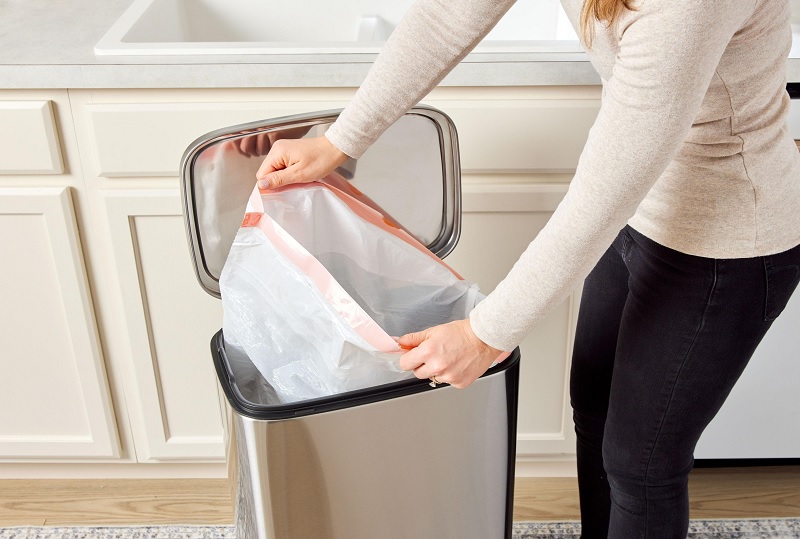
To combat this, you need an absorbent buffer. Before throwing anything away, line the bottom of your fresh trash bag with several layers of dry newspaper or a few thick paper towels. This simple barrier catches liquid seepage and prevents a foul-smelling pool from forming at the base. If you accidentally toss something damp, the paper absorbs the excess moisture, effectively cutting off the water supply that odor-causing bacteria desperately need to multiply.
Draining and Wrapping Wet Waste
Changing how you discard wet food makes an enormous difference. Never dump liquid-heavy leftovers straight into the bin. Strain wet scraps in the sink first, pressing out as much water as possible. For particularly damp or sticky waste, wrap it tightly in a piece of scrap paper, a used paper bag, or an empty cereal box liner before it goes into the trash. This containment strategy isolates the moisture and drastically slows down the rate of decay.
Neutralizing Odors at the Source
Even with strict moisture control, some odors inevitably develop as organic material sits at room temperature. Masking these smells with heavily perfumed chemical sprays usually creates a cloying, artificial scent that is arguably worse than the garbage itself. Natural neutralizers absorb and trap odor molecules rather than just covering them up.
The Power of Baking Soda and Essential Oils
Sodium bicarbonate, commonly known as baking soda, is a highly effective, inexpensive desiccant and odor absorber. Keep a dedicated shaker of baking soda under the sink. Every time you throw away something particularly pungent, sprinkle a heavy dusting of baking soda directly over the freshly added trash. For an added layer of freshness, you can mix a few drops of natural essential oils—such as lemon, tea tree, or eucalyptus—into a cup of baking soda before sprinkling it. Tea tree oil possesses natural antibacterial properties that help suppress microbial growth inside the bag.
Activated Charcoal and Zeolite
If you prefer a hands-off approach to odor management, activated charcoal or zeolite rocks are excellent long-term solutions. Both materials are highly porous and naturally trap volatile organic compounds as they off-gas from your garbage. You can purchase small, breathable sachets of activated carbon and secure them to the underside of the trash can lid with double-sided tape. These filters work continuously to scrub the air inside the can, requiring replacement only every few months.
Strategic Disposal of High-Odor Foods
Some food items are simply too volatile to sit in a room-temperature bin for more than a few hours. Raw meat trimmings, poultry packaging, fish skins, and cruciferous vegetables like broccoli or cabbage emit strong sulfurous compounds as they break down.
Instead of throwing these high-risk items into the main kitchen bin, employ the freezer trick. Keep a designated plastic container or heavy-duty zip-top bag in your freezer specifically for meat scraps and pungent vegetable peelings. When you trim a chicken breast or peel an onion, place the waste in the freezer container. The freezing temperatures completely halt bacterial growth and odor production. On the morning of your neighborhood trash collection day, simply empty the frozen block of scraps directly into your outdoor receptacle. This entirely removes the worst offenders from your indoor environment.
Maintaining the Physical Bin
Sometimes the odor is not coming from the bag at all, but from the physical trash can itself. Micro-tears in plastic bags allow microscopic amounts of bacteria-laden liquid to leak onto the interior walls and base of the can. Over time, this invisible residue forms a persistent biofilm that smells terrible even when the can is completely empty.
Wiping down the rim of the can with a disinfecting wipe every time you change the bag prevents this buildup. Once a month, the can requires a deep clean. Take the empty bin outside or place it in the bathtub. Coat the interior with a heavy-duty degreaser or a mixture of hot water, dish soap, and white vinegar. Scrub every inch, paying special attention to the bottom corners and the underside of the lid, where condensation and splatter tend to accumulate. Most importantly, allow the can to dry completely in the sun before inserting a new bag. UV light acts as a natural disinfectant, and ensuring the plastic or metal is bone-dry prevents you from accidentally trapping moisture beneath the new liner.
Implementing these strategies transforms your kitchen waste routine. By actively managing moisture, utilizing natural odor absorbers, and keeping the physical bin pristine, you can maximize the capacity of every trash bag without subjecting your household to unpleasant smells. A quiet, odor-free kitchen is entirely achievable, even on the days leading up to garbage collection.