How Acoustic Interior Design Can Create Quieter and More Comfortable Living Spaces
Modern home design has spent the last two decades obsessing over visual aesthetics. Open floor plans, soaring ceilings, expansive glass windows, and polished concrete floors have defined contemporary luxury. Yet, anyone who has tried to work from a kitchen table while family members talk in the adjacent living room knows the hidden cost of these architectural choices. Hard, reflective surfaces look stunning in photographs, but they turn a home into an echo chamber. Sound waves bounce endlessly off bare walls and hard floors, turning everyday household noise into a persistent background stressor that wears down our focus and relaxation.
Addressing this auditory friction requires a shift in how we approach interior spaces. Acoustic interior design is not just for recording studios or home theaters anymore. It is an intentional design discipline focused on controlling how sound behaves within a room, balancing aesthetics with acoustic comfort. By understanding the physics of sound reflection and absorption, homeowners can transform loud, fatiguing environments into serene, restorative sanctuaries without sacrificing their personal design style.
The Physics of Sound in Modern Homes
To understand why your living room feels so loud, you need to look at how sound travels. When a sound is produced, whether it is a barking dog, a blender, or a television, it radiates outward in waves. When these waves encounter hard surfaces like glass, tile, drywall, or hardwood, they do not stop. They bounce. This phenomenon is known as reverberation. In a room with too many hard surfaces, sound waves bounce back and forth dozens of times before dying out, which artificially amplifies noise and muddies speech clarity.
Soft materials, on the other hand, act as acoustic traps. When sound waves hit porous, fibrous, or textured surfaces, the energy of the wave is trapped within tiny air pockets and converted into a microscopic amount of heat. Controlling noise in a home is entirely about striking the right ratio between reflective surfaces and absorptive materials. You do not need to pad every wall in heavy studio foam to achieve this balance. Strategic placement of everyday design elements can dramatically alter a room’s acoustic profile.
Harnessing Textiles and Soft Furnishings
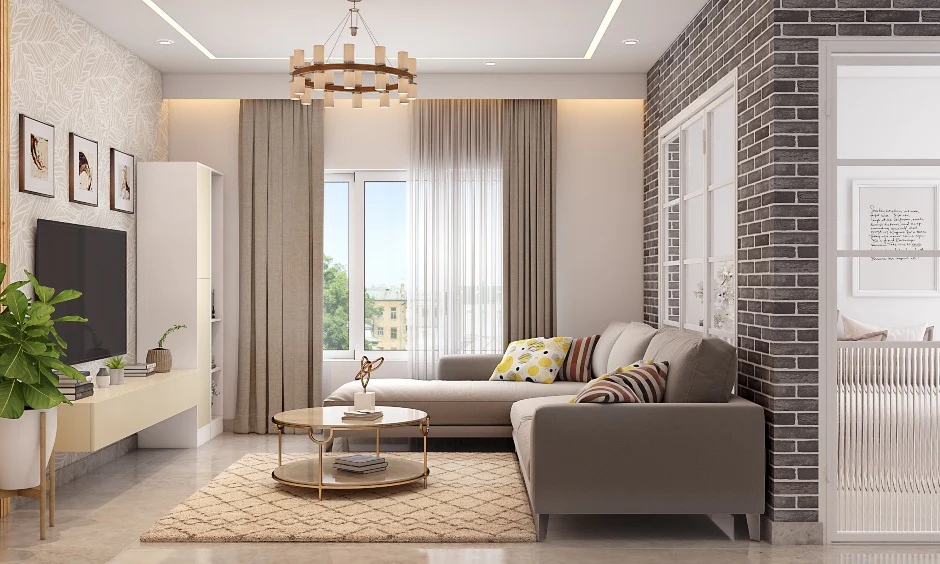
The easiest and most cost-effective way to improve room acoustics is through textiles. Bare floors are primary culprits for sound reflection, making area rugs an essential tool for acoustic management. A thick wool rug paired with a dense felt carpet pad beneath it absorbs a remarkable amount of footfall and airborne sound, preventing waves from bouncing between the floor and ceiling.
Window treatments play an equally critical role. Large expanses of glass act like concrete walls when it comes to reflecting sound. Replacing flimsy blinds or sheer curtains with heavy, multi-layered drapery makes a noticeable difference in quieting a room. Fabrics like velvet, heavy linen, and lined cotton absorb high and mid-frequency noises effectively, softening the overall auditory environment while adding warmth and visual texture to the space.
Strategic Furniture Placement and Wall Treatments
Furniture arrangement and wall decor can be weaponized against unwanted noise. Pushing all your furniture against the perimeter walls leaves the center of the room wide open for acoustic bouncing. Pulling seating groups inward, introducing upholstered couches, and incorporating deep armchairs break up the open expanse and intercept sound waves before they can gather momentum.
Utilizing Bookshelves and Open Storage
Bookshelves filled with books are one of the best natural acoustic diffusers available. Because books vary in depth, height, and binding material, they scatter incoming sound waves in random directions rather than reflecting them uniformly. Lining a loud hallway or living room wall with a floor-to-ceiling wooden bookcase instantly reduces flutter echoes and dampens harsh room noise.
Architectural Wall Panels and Felt Art
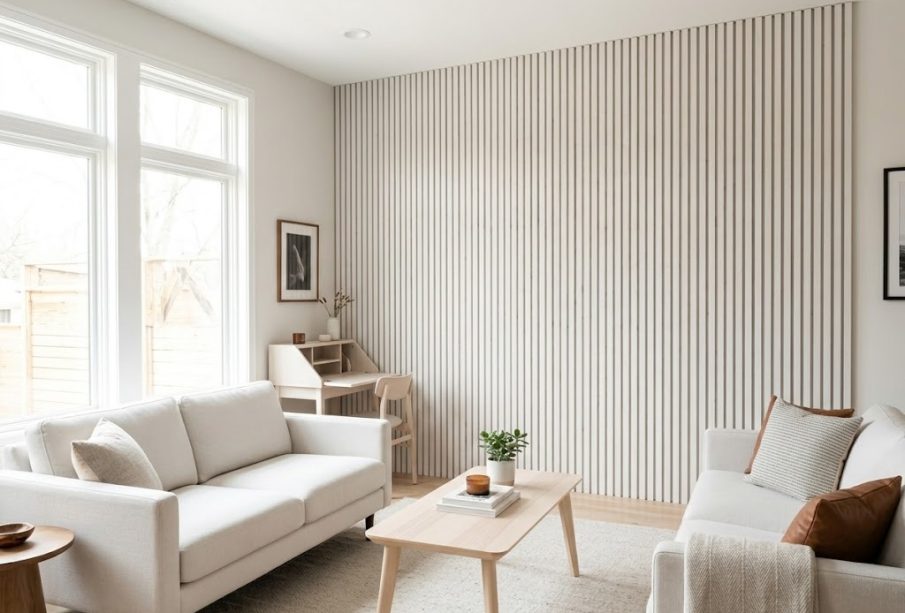
When standard furniture and rugs are not enough to tame a particularly loud space, dedicated acoustic treatments come into play. Modern acoustic design has moved far beyond industrial foam panels. Today, manufacturers produce decorative acoustic wall panels wrapped in high-end fabrics, wood-slat acoustic panels backed by recycled felt, and sound-absorbing art pieces that blend seamlessly into luxury interiors. Placing these treatments at ear level on primary reflection points—such as the wall directly opposite a television or across from a kitchen island—stops echoes dead in their tracks.
Mitigating Noise Between Rooms
Surface-level sound control solves echo and reverberation inside a single room, but it does little to stop sound from traveling through walls and doors between different areas of the house. Achieving true acoustic comfort often requires looking deeper into structural noise transmission.
Hollow-core interior doors act like megaphones, letting sound pass freely from bedrooms and home offices into common areas. Upgrading to solid-core doors with proper weatherstripping around the frame creates a substantial acoustic barrier. Similarly, addressing gaps under doors with acoustic door sweeps prevents sound waves from sneaking through hallways. For home offices or media rooms where privacy is paramount, installing resilient channels and double-layer drywall on framing studs dampens airborne and impact vibrations before they can penetrate the partition.
Ultimately, designing for acoustics is about reclaiming the peace and quiet your home should naturally provide. When you balance hard, beautiful architectural finishes with thoughtful, absorptive elements, you create an environment that feels as calm as it looks.