How to Stop Hardwood Floors from Cupping During Humid Summers
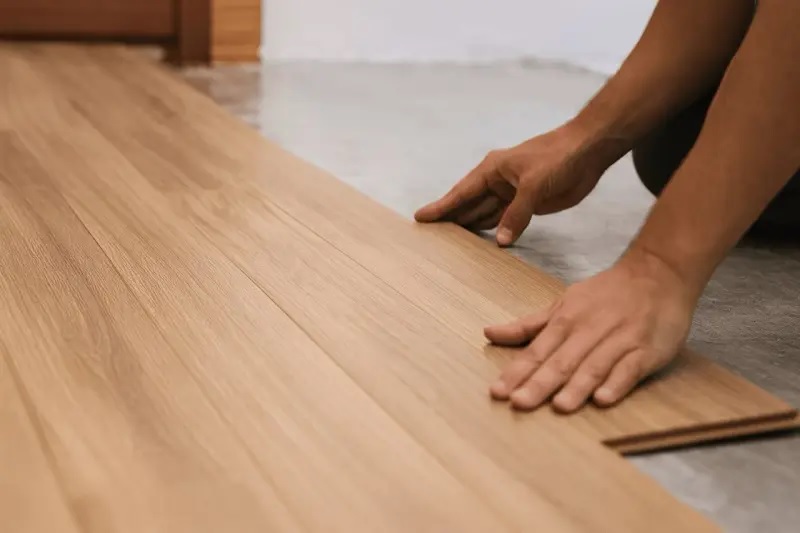
Few things elevate the aesthetic warmth and timeless elegance of a home quite like authentic hardwood flooring. However, wood is a hygroscopic material, meaning it constantly absorbs and releases moisture in response to the surrounding atmospheric conditions. When sticky, humid summer weather arrives, moisture levels in the indoor air skyrocket. If your home lacks adequate humidity control, your wooden planks can absorb excess ambient moisture, causing the edges of individual boards to swell and rise higher than their centers. This frustrating distortion is known as cupping. Preventing and reversing floor cupping requires a solid understanding of environmental science, diligent moisture monitoring, and proactive home management strategies before seasonal humidity starts warping your investment.
Understand the Mechanics of Wood Movement
To effectively combat cupping, you must first understand why wood reacts so dramatically to seasonal weather shifts. Hardwood flooring is milled from living trees, and even after being kiln-dried and installed, wood fibers retain a natural cellular porosity. These cells expand when they take in moisture and shrink when the air dries out.
During humid summer months, high relative humidity forces moisture into the exposed top surface and unprotected underside of your flooring planks. Because the side edges of the boards are pressed tightly against one another, the expanding wood has nowhere to move horizontally. Consequently, the edges buckle upward, creating a distinct washboard effect under your bare feet. Recognizing this physical reality is the first step toward building an effective defense strategy for your floors.
Maintain Strict Indoor Climate Control
The most reliable method for preventing hardwood floor cupping during the summer is maintaining strict, consistent climate control throughout your living spaces. Relying solely on natural ventilation by opening windows on humid days invites moisture straight into your home, spelling disaster for wood floors.
Optimize Your Air Conditioning System
Your air conditioning unit does more than just cool your home; it acts as a powerful dehumidifier by pulling moisture out of the air as it chills. Ensure your AC system is professionally serviced before the summer heat wave hits. Set your thermostat to a comfortable, consistent temperature and avoid turning the system off entirely when you leave the house for the day. Consistent runtime prevents indoor humidity levels from spiking unchecked.
Deploy Dedicated Dehumidifiers
In particularly humid regions, standard air conditioning may not be enough to keep indoor relative humidity within the ideal safe zone of thirty to fifty percent. Invest in high-capacity whole-house dehumidifiers or strategic portable units for areas prone to high moisture, such as finished basements and main-floor living rooms. Pair your dehumidifiers with a reliable digital hygrometer to monitor daily humidity levels in real time.
Seal and Protect Your Subfloor
Moisture does not always enter hardwood floors strictly from the indoor air. In many cases, hidden moisture migrates upward from unconditioned crawl spaces, damp basements, or concrete slabs beneath your flooring. If your subfloor is damp, your hardwood will cup regardless of how aggressively you run your air conditioner upstairs.
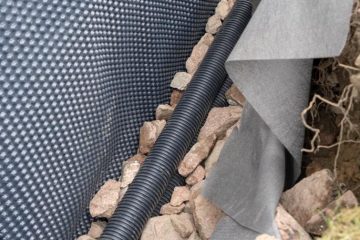
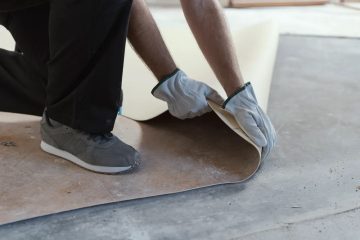
Inspect your crawl space or basement before summer arrives to ensure it is properly encapsulated and sealed against ground moisture. Install a heavy-duty vapor barrier across exposed earth in crawl spaces and verify that sump pumps are fully operational. If you are installing new hardwood over a concrete slab, a professional moisture barrier adhesive is non-negotiable. Stopping moisture at the subfloor level eliminates the dual-threat assault on your hardwood planks.
Implement Smart Daily Habits for Summer Living
Beyond mechanical climate control, your daily household habits play a surprisingly significant role in managing indoor humidity and protecting your floors during the summer months. Small operational changes can collectively prevent significant moisture accumulation.
Be mindful of high-humidity household activities. Always run exhaust fans in bathrooms during and for at least twenty minutes after showers or baths. Similarly, use your kitchen range hood every time you boil water or cook on the stovetop. When entering the house after swimming or outdoor activities, dry off completely before walking across hardwood surfaces, and immediately wipe up any spilled liquids or tracked-in rainwater. Never use excessive water or wet-mop your hardwood floors during humid summer weeks; instead, rely on manufacturer-approved dry dust mops and specialized hardwood cleaning sprays that evaporate rapidly.
What to Do If Cupping Occurs
Even with the best preventative measures in place, unexpected HVAC failures or extreme weather events can sometimes cause mild floor cupping. If you notice your boards starting to curve, resist the immediate urge to call a flooring professional for sanding.
Cupping is a symptom of excess moisture, not a permanent structural defect. In most cases, once you successfully lower the indoor relative humidity back to the optimal thirty to fifty percent range and dry out the subfloor, the wood will naturally dry, flatten, and normalize on its own. Attempting to sand cupped floors prematurely while the wood is still holding high moisture levels is a critical mistake; once the dry season returns, those sanded boards will shrink and flatten further, resulting in unsightly concave gaps across your entire floor. Patience, strict moisture control, and allowing the wood to stabilize organically remain the golden rules for restoration.