
Air Conditioning vs Fans: What Actually Keeps a UK Home Cool?
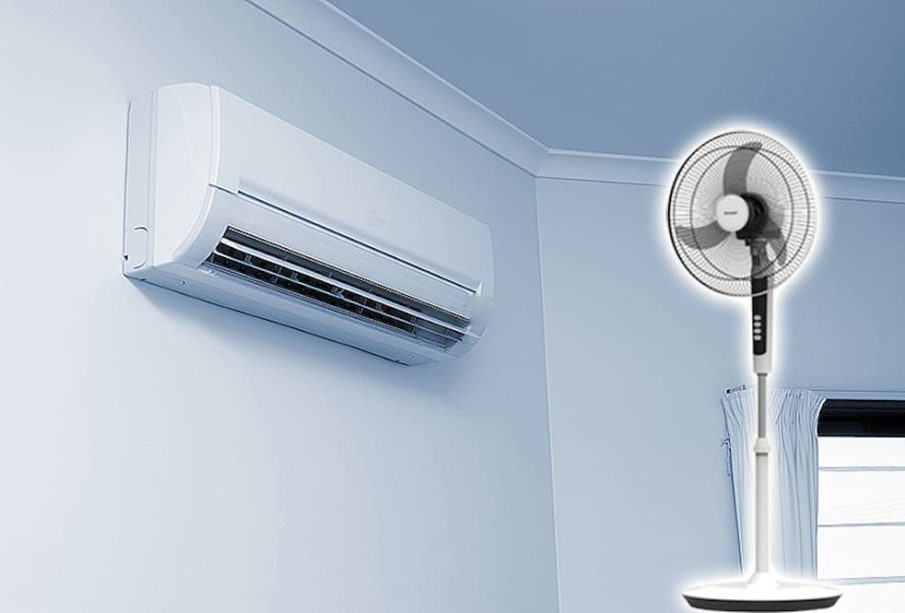
UK summers have grown noticeably warmer and longer in recent years, and most homes weren’t built with cooling in mind. When a heatwave hits, the usual answer is to reach for a fan, but is that actually the best option, or is air conditioning worth the investment?
How fans work
A standard fan doesn’t lower the temperature of a room, it simply moves air around, which helps sweat evaporate off your skin and makes you feel cooler even though the air itself hasn’t changed. This works reasonably well on a mildly warm day, but during a proper heatwave, when the air itself is hot, a fan is just circulating hot air around the room. Fans are cheap to buy and cheap to run, but their effectiveness has a clear ceiling once temperatures climb into the high twenties or above.
How air conditioning works
Air conditioning actually removes heat and humidity from a room, lowering the air temperature rather than just moving it around. This makes a real difference during extended hot spells, and it also helps with sleep quality, since a cooler bedroom makes it easier to fall and stay asleep through a warm night. Modern residential units are far quieter and more efficient than older models, and many systems also work in reverse to provide heating in winter, which offsets some of the running cost across the year rather than sitting unused for months at a time.
Running costs
Fans cost very little to run, often just a few pence per hour. Air conditioning costs more, but modern inverter-driven units are significantly more efficient than older AC systems, and using one only when genuinely needed keeps costs reasonable. For anyone with young children, elderly relatives, or health conditions affected by heat, the difference isn’t just comfort, it can be a genuine safety consideration during a heatwave.
Which one makes sense for your home
For most UK homes, fans are fine for the occasional warm day. But if your home regularly overheats, if you work from home in a room that gets uncomfortably hot, or if summer heat genuinely disrupts your sleep for weeks at a time, air conditioning is worth considering as a proper long-term fix rather than a temporary workaround.
If you’re leaning towards air conditioning, timing your installation matters. Getting it done outside of peak summer means faster booking, more installer availability, and a system that’s ready before the next heatwave arrives rather than during one. There’s a good breakdown of why the quieter months are actually the smartest time to book, covering everything from installer availability to preparing for increasingly unpredictable UK weather, in this piece on air conditioning installation by GSM.
Whichever option you choose, the key is matching the solution to how often your home actually struggles with heat, rather than just buying whatever’s on the shelf when a heatwave hits and everyone else has had the same idea.
A middle-ground option worth mentioning is a single portable or split-unit system for just the room you use most, rather than cooling the whole house. This keeps upfront costs down while still giving you proper temperature control where it matters, and it’s often enough for homes that only struggle during the hottest few weeks of the year rather than all summer long.